Members of the Library's teen advisory board, the Teen Think Tank, are taking turns to create a monthly display in the teen area. They choose the subject for the display. This month Ava created a display of books from the Young Adult fiction and nonfiction collections featuring food, cooking, Thanksgiving, and 17th century Massachusetts. Here is a list of the books from the display:
Fiction


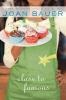
Close to Famous, by Joan Bauer, 2011. Twelve-year-old Foster, a talented baker who dreams of being a famous television chef ends up in Culpepper, West Virginia with her mother after they escape from her mother's abusive boyfriend. With the help of friends they make in Culpepper, they use their strengths and challenge themselves to build a new life. Realistic fiction.

 Ghost Hawk, by Susan Cooper, 2013. At the end of a winter-long journey into manhood, Little Hawk returns to find his village decimated by a white man's plague and soon, despite a fresh start, Little Hawk dies violently but his spirit remains trapped, seeing how his world changes. Historical fantasy.
The Kid Table, by Andrea Seigel, 2010. Explores the quirky dynamics in an extended family full of close-knit cousins who both help and hinder each other as they celebrate holidays and momentous occasions together. Realistic fiction.
 North of Happy, by Adi Alsaid, 2017. A wealthy dual citizen of Mexico and the United States rebels against his family's strict plans for his future in the aftermath of his older brother's tragic death, an event that compels him to secure a job with his favorite celebrity chef, a relationship that becomes complicated when he falls for his boss's daughter. Realistic fiction.
 Pizza, Love, and Other Stuff That Made Me Famous, by Kathryn Williams, 2012. Although 16-year-old Sophie has grown up working in her family's Mediterranean restaurant in Washington, D.C., she is not prepared to compete on the new reality show, Teen Test Kitchen, when her best friend Alex convinces her to audition. Includes recipes. Realistic fiction.
 Tantalize, by Cynthia Smith, 2007. When multiple murders in Austin, Texas, threaten the grand re-opening of her family's vampire-themed restaurant, 17-year-old, orphaned Quincie worries that her best friend-turned-love interest, Keiren, a werewolf-in-training, may be the prime suspect. Urban fantasy.
Taste Test, by Kelly Fiore, 2013. While attending a New Hampshire culinary academy, North Carolina high schooler Nora suspects someone of sabotaging the academy's televised cooking competition. Realistic fiction.
 Memoirs
Make It Messy: My Perfectly Imperfect Life, by Marcus Samuelsson, 2015. A memoir from the world-famous chef describes his life as an orphan in Ethiopia, upbringing by his adoptive family in Sweden, and the cooking lessons from his adoptive grandmother that lead him to train in some of Europe's most demanding kitchens.
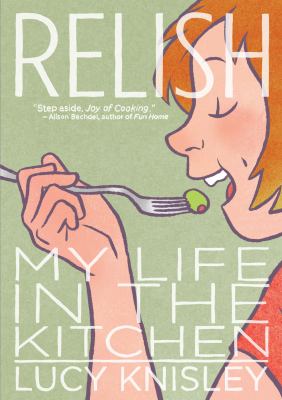 Relish: My Life in the Kitchen, by Lucy Knisley, 2013. Lucy Knisley loves food. The daughter of a chef and a gourmet, this cartoonist comes by her obsession honestly. In her memoir, Lucy traces key episodes in her life thus far, framed by what she was eating at the time and lessons learned about food, cooking, and life. Each chapter is bookended with an illustrated recipe. Memoir in graphic format.
Nonfiction

Big Snacks, Little Meals: After School, Dinnertime, Anytime, by Rose Dunnington, 2006. A handy cookbook presents a delicious array of snacks and mini-meals that are delicious, fun to make, and nutritious--such as baked apples, guacamole, cheese straws, and chicken fingers.

Cook Your Way Through the S.A.T.: Recipes Worth a Thousand Words, by Charis Freiman-Mendel, 2011. Master frequently-asked SAT vocabulary. Each of the 99 easy recipes is matched with a fun-fact blurb containing 10 SAT words.
 Foodprints: The Story of What We Eat, by Paula Ayer, 2015. A guide for sorting food myths from reality from prehistory to present day. Includes statistics, further reading, and extensive list of sources.
 Giving Thanks, Poems, Poems, Prayers, and Praise Songs of Thanksgiving, edited by Katherine Paterson, 2013. Presents an illustrated collection of gratitude-themed poems, prayers, and praise songs from a wide range of cultures and religions.
 The Green Teen Cookbook: Recipes For All Seasons - Written By Teens For Teens, by Laurane Marchive, 2014. A cookbook for beginners and for all those interested in pursuing an eco-friendly lifestyle, includes 100 favorite recipes and tips for eating on a budget in a healthy and environmentally friendly way.
Guide to Wild Foods and Useful Plants, by Christopher Nyerges, 2014. Written by an expert on wild foods and a well-known teacher of survival skills. More than a listing of plant types--it teaches how to recognize edible plants and where to find them, their medicinal and nutritional properties, and their growing cycles. Includes folklore about plants, anecdotes about trips and meals, and recipes.
 A Teen's Guide to Gut Health: The Low-FODMAP Way to Tame IBS, Crohn's, Colitis, and Other Digestive Disorders, by Rachel Warren, 2017. For teens experiencing GI distress, including IBS, Crohn's disease and colitis, this quick and accessible guide explains a two-part elimination diet to help identify which foods are causing discomfort. Offers meal plans, shopping lists and easy recipes to help transition and find relief.
 Hello, Cupcake!, by Karen Tack, 2008. An array of cupcake designs explains how to use snack items and common candies to create a variety of confectionery masterpieces to suit any occasion, from a big-top circus cupcake tier for a child's birthday, to a white cupcake Christmas wreath, ghost chocolate cupcakes, turkey cupcake place cards, or sausage and pepperoni pizza cupcakes for April Fool's Day.
 The Mayflower and the Pilgrims' New World, by Nathaniel Philbrick, 2008. Offers the true story of the pioneers who crossed the Atlantic to establish a new world in Massachusetts, the challenges they faced upon their arrival, and their relationship with the local Native Americans.
Plants vs. Meats: The Health, History, and Ethics of What We Eat, by Meredith Hughes, 2016. Examines the nutritional, historical, and ethical aspects of food consumption, discussing popular diets, providing facts about farming and the future of food, and encouraging readers to make informed, personal food choices.

So You Want To Be A Chef?: How to Get Started in the World of Culinary Arts, by Jane Bedell, 2013. A step-by-step guide for young culinary enthusiasts interested in pursuing a professional cooking career shares inspiring stories while drawing on industry experts to outline steps to becoming a chef, caterer, and restaurateur.
 Starting From Scratch: What You Should Know About Food and Cooking, by Sarah Elton, 2014. Food activist Sarah Elton presents a young reader's manifesto about the sense of taste and the science of eating that discusses topics ranging from measurements and the chemical aspects of cooking to substitute ingredients and the importance of choosing healthy foods. Appendices offer basic recipes, an approach to pairing foods , a guide to doing measurements and conversions, and a brief selected list of cookbooks.
 What the World Eats, by Faith D'Aluisio, 2008. A photographic collection exploring what the world eats featuring portraits of twenty-five families from twenty-one countries surrounded by a week's worth of food.
 You're the Cook!: A Guide to Mixing it Up in the Kitchen, by Katie Wilton, 2005. Designed for the inexperienced cook, this book focuses on four food products: eggs, cheese, pasta, and berries (strawberries and blueberries). Where the food product is harvested or made, how to properly store it and its nutritional information is discussed then followed by five recipes using that food product.